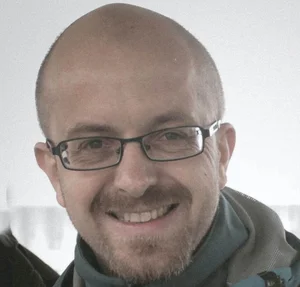
From Macau, with Care: Behind the Scenes on The Slightest Touch
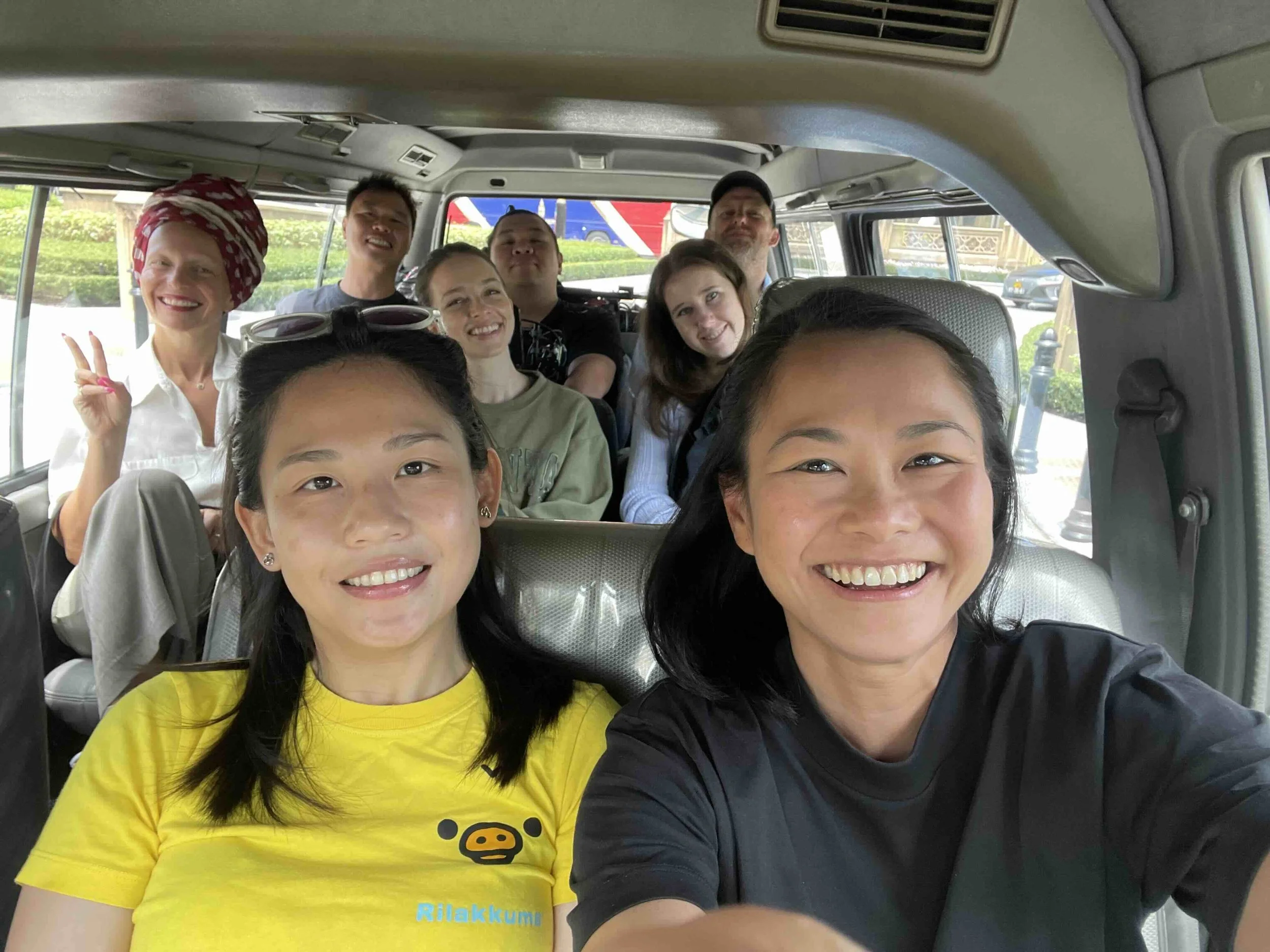
Purpose on the move
A different story unfolding in Macau
There are productions that arrive with noise, and others that stay with you for quieter reasons.
When Colin Farrell was in Macau filming Edward Berger’s The Ballad of a Small Player, there was already plenty of attention around the city. Big names tend to create their own weather. But alongside that feature, another project was taking shape — smaller, more intimate, and in its own way just as powerful. That was The Slightest Touch, a documentary from Fine Point Films directed by Rachel Fleit, connected to DEBRA, the charity supporting people affected by Epidermolysis Bullosa, or EB, often known as Butterfly Skin.
The work behind the scenes
We were brought on to support the shoot on the ground in Macau. That meant sourcing Hong Kong crew and equipment, arranging travel and hotel bookings, providing fixer support in Macau, and managing the day-to-day logistics that keep a production moving when the schedule is tight and the variables keep changing. On paper, it sounds tidy. In reality, as ever, it was not.
At the heart of the film is the long friendship between Emma Fogarty, DEBRA Ireland’s Patient Ambassador, and Colin Farrell, who has become a committed advocate for the cause. To mark Emma’s 40th birthday — a milestone doctors once believed she might never reach — the story follows a challenge tied to the Dublin Marathon, where Colin pushed her in a wheelchair for the final four kilometres. It is not the sort of premise that needs much embellishment. The emotional gravity is already there.
Our part was to help create the conditions in which that story could be captured properly. The complication, of course, was that Colin was not in Macau solely for the documentary. He was also deep in production on The Ballad of a Small Player, while training for the marathon at the same time. So the job quickly became one of precision, flexibility, and staying light on our feet.
Between quiet moments and full run-and-gun
Some of the best moments were the quietest. We followed him during downtime in the city, including an afternoon stop at his favourite local coffee spot, and in the more unguarded spaces around the hotel. Those are often the moments documentaries live or die on — not because they are dramatic, but because they are real. They let a film breathe. They reveal character without forcing it.
Other parts of the shoot had a rather different energy. There were moments when it became fully run-and-gun, the sort of production mode that strips everything back to instinct, coordination, and not dropping the ball. At one point, we were quite literally chasing Colin through the city. At another, an ARRI Alexa Mini — not a camera anyone wants to see taking unnecessary risks — was hanging out of a van window, which nearly gave our Production Manager, Pingkan, a heart attack. Not textbook, perhaps. Effective, yes.
Over the course of the weekend, we moved through old streets in Coloane, ran up and down the Cotai Strip, and made our way up Macau’s Eiffel Tower. The rhythm kept shifting: intimate one moment, breathless the next. That is often the reality of location work. A schedule may be carefully built, but a good shoot still depends on how well a team adapts once real life gets involved.
And real life, naturally, got involved.
One of our tripods was damaged in transit and had to be taped back together more than once just to keep things moving without losing time. Extreme heat on the set of The Ballad of a Small Player caused delays as well, especially in a low-ceilinged casino location where the cast, Colin included, were filming in full costume. While the feature team scrambled for extra fans and cooling solutions, everyone else was doing what crews everywhere do when conditions turn punishing: adjusting fast, staying useful, and making sure people remained hydrated enough to get through the day.
Behind all that sat the less glamorous but absolutely essential work: transferring kit between locations, managing footage backups on the go, responding to schedule changes around an active feature shoot, and solving small logistical problems before they had the chance to become expensive ones. This is the side of production that rarely makes it into the final story, which is precisely why it matters.
Why this one stayed with us
What also stayed with us was the atmosphere around the work. At the end of long days, the team would sit down to dinner, most memorably at Fernando’s in Coloane, and decompress a little. Those evenings had their own kind of value. For a group arriving from different places and backgrounds, everyone clicked unusually quickly. The collaboration never felt forced. It felt easy in the way good crews sometimes do, when the chemistry is there and nobody needs to overstate it.
A great deal of that tone came from director Rachel Fleit, whose calm, assured presence shaped the shoot from the start. She brought a steadiness that mattered, especially during the more personal moments with Colin. Documentary work always asks for a particular kind of attention — technical, emotional, and ethical all at once — and she set that balance well.
We have worked on all kinds of productions over the years, including large-scale and high-profile ones, but this one stayed with us for a different reason. Yes, there was the thrill of stepping onto a major feature set and seeing an Oscar-winning director’s world up close. Yes, there was the pace, the heat, the unpredictability, and the usual production madness. But there was also a story here that genuinely meant something, and a team handling it with care.
That combination is rarer than it should be.
For us, it was also a reminder of what good fixer work really is. Not just logistics. Not just transport, crew, equipment, and local coordination, though all of that matters. It is also about tone. Timing. Reading the room. Protecting momentum. Solving problems quietly. Knowing when to step in, and just as importantly, when not to.
That is the work we like best: helping international productions move smoothly through Hong Kong and Macau without turning every practical challenge into a creative problem.
And every now and then, if the weekend is especially lively, trying not to have a heart attack while an Alexa Mini leans out of a moving van!
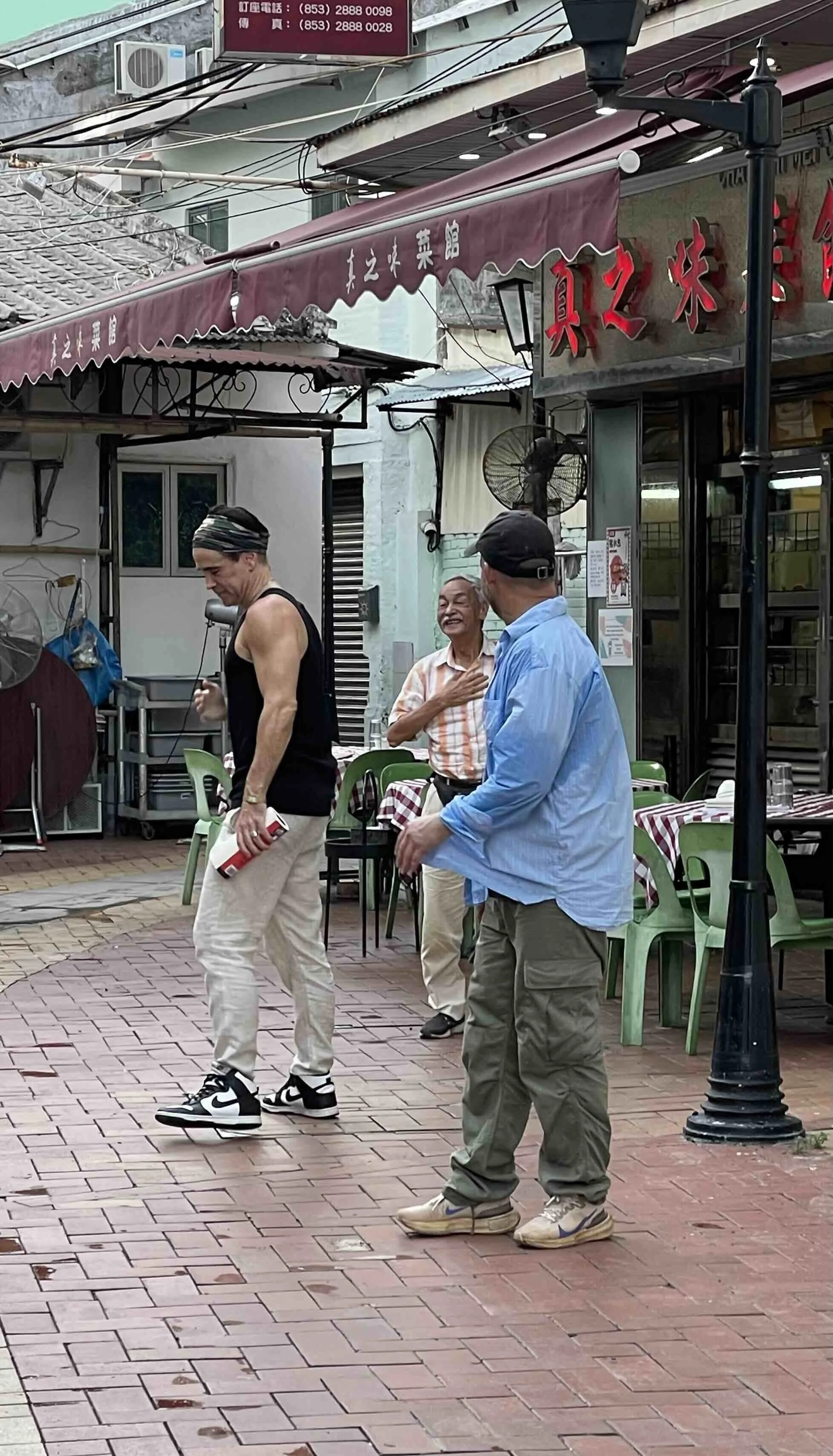
Colin Farrel in Macau
This meaningful production would not have been possible without the trust of Fine Point producer Carol Murphy, and the dedication of our fantastic team: Production Manager Pingkan Irwin, PA Emma Johnston, fixer Wendy Kuok, our techs Wing and Fai, and of course Rachel and Colin.
Planning a shoot in Hong Kong or Macau?
Planning a shoot in Hong Kong or Macau? We help international productions with fixer support, local crew, equipment, logistics, and the thousand small decisions that keep a production on track. Get in touch to discuss your project